

Climate change and Health
Booster Program
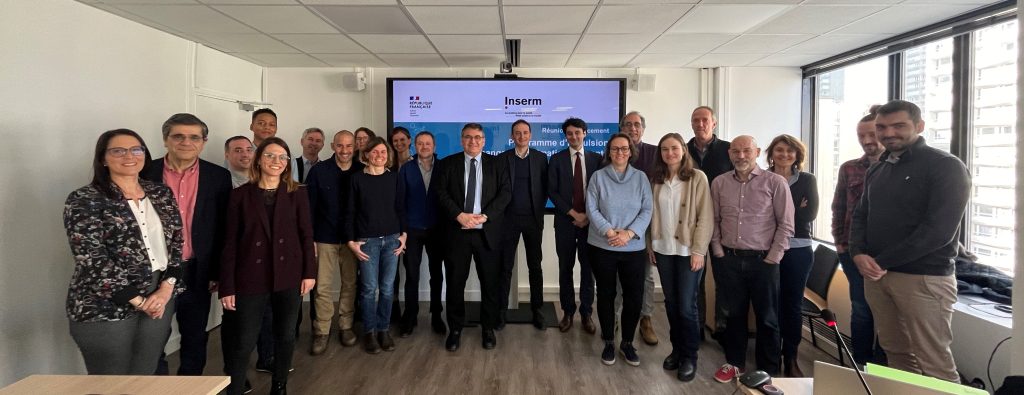
The « Climate Change and Health » Booster Program is supported by €1.5 million in funding from Inserm over a three-year period.
Launched at the beginning of 2024, the program supports six research projects selected through a national call for proposals. Its aim is to better understand the impacts of climate change on human health and to promote interdisciplinary collaboration. Scientific events are also planned throughout the duration of the program.
Excellence research in a priority area
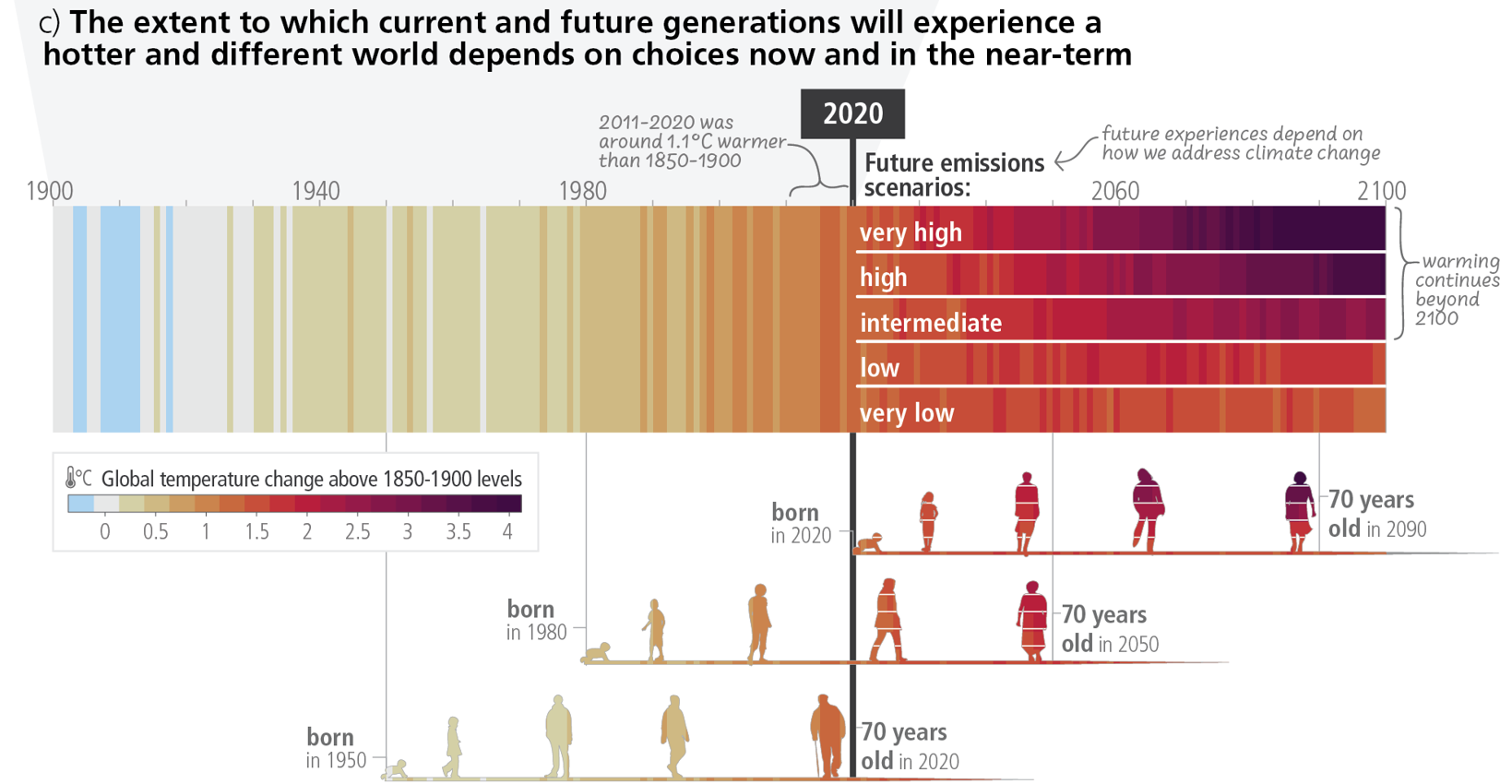
Climate change refers to a set of alterations in the Earth’s climate compared to the pre-industrial era. These changes in temperature are notably accompanied by an increase in extreme weather events, shifts in atmospheric pollutant concentrations, and changes in the geographic distribution of many vectors of infectious diseases.
Various health effects are expected as a result, with differing levels of evidence and uncertainty regarding their health and societal impacts.
In response to these profound changes—primarily driven by human activity—societies are gradually implementing strategies to adapt to environmental changes, reduce greenhouse gas emissions, or mitigate their effects.
The Booster Program supports projects aimed at better characterizing the health effects of climate change and improving the understanding of physiological adaptation mechanisms to temperature (including the role of mitochondria). The health outcomes studied include risks of mortality, hospitalization, mental health and neurodegenerative diseases, pregnancy outcomes, and infectious diseases (such as tuberculosis).
The main disciplines and approaches involved include environmental epidemiology, cellular and molecular biology, and toxicology. The study sites are located in France, as well as in Senegal, Kenya, Uganda, and Bangladesh.
International symposiums are organized as part of this program, along with activities aimed at engaging the research community, raising awareness among students on this topic, and disseminating knowledge.
This program will help strengthen and contribute to the emergence of a strong multidisciplinary research community within Inserm on the important theme of the links between climate change and health. Over time, it will enhance their role in European projects on the subject and improve Inserm’s ability to guide decision-makers and society in choices related to climate change.
The structuring of a scientific community
A specific governance structure for the program
As part of this program, several committees have been established:
The International Scientific Expert Committee, whose mission is to evaluate and select projects submitted through the call for proposals, provide recommendations on the directions of the seed program, and assess the program at the end of the three-year period.
The Steering Committee of the seed program, responsible for managing the program’s operations and approving the proposals of the program’s Scientific Committee. It is composed of the Scientific Coordinator (Basile Chaix), the Program Manager (Maïana Houssaye), and the Director of the Strategic Programs Department at Inserm (Valérie Mazeau-Woynar).
The Program Scientific Committee, which monitors the progress of the scientific program. It consists of two members: Basile Chaix (Scientific Coordinator) and Johanna Lepeule.
The Scientific Consortium, whose members commit to actively participating in the various program monitoring procedures and engagement activities organized. The consortium is made up of all members of the teams involved in each of the projects selected through the call for proposals.
The Booster Program « Climate Change and Health » is actively committed to measuring and reducing the environmental impact of its activities. To this end, a Greenhouse Gas Inventory (Bilan des Gaz à Effet de Serre, BGES) has been implemented to assess the program’s carbon footprint over its entire duration. This approach covers several aspects, including emissions related to the infrastructures used by the teams, purchases of equipment and services, business travel, commuting of staff, and their food consumption.
Thanks to the collaboration of all individuals involved in the program, the collected data are analyzed using the GES 1point5 tool, developed by the French research collective Labo 1point5. This inventory will help identify the main sources of emissions and adopt targeted actions to reduce the program’s carbon footprint.
This initiative is particularly innovative within Inserm and will provide a reproducible methodology to reduce the carbon impact of future research programs developed at Inserm.
Taking into account the carbon impact of activities in the management of the program
Five new Booster Programs in 2023
In 2023, Inserm launched five Booster Programs. This strategic initiative builds upon the transversal programs launched by the Institute in 2016. The current Booster Programs are:
- Climate change and Health (2023)
- Mecacell3D (2022)
- Exposome (2023)
- Neurotechnologies (2023)
- Surgical and Interventional Procedures of the Future (2023)
 Programme d'impulsion